Fortress
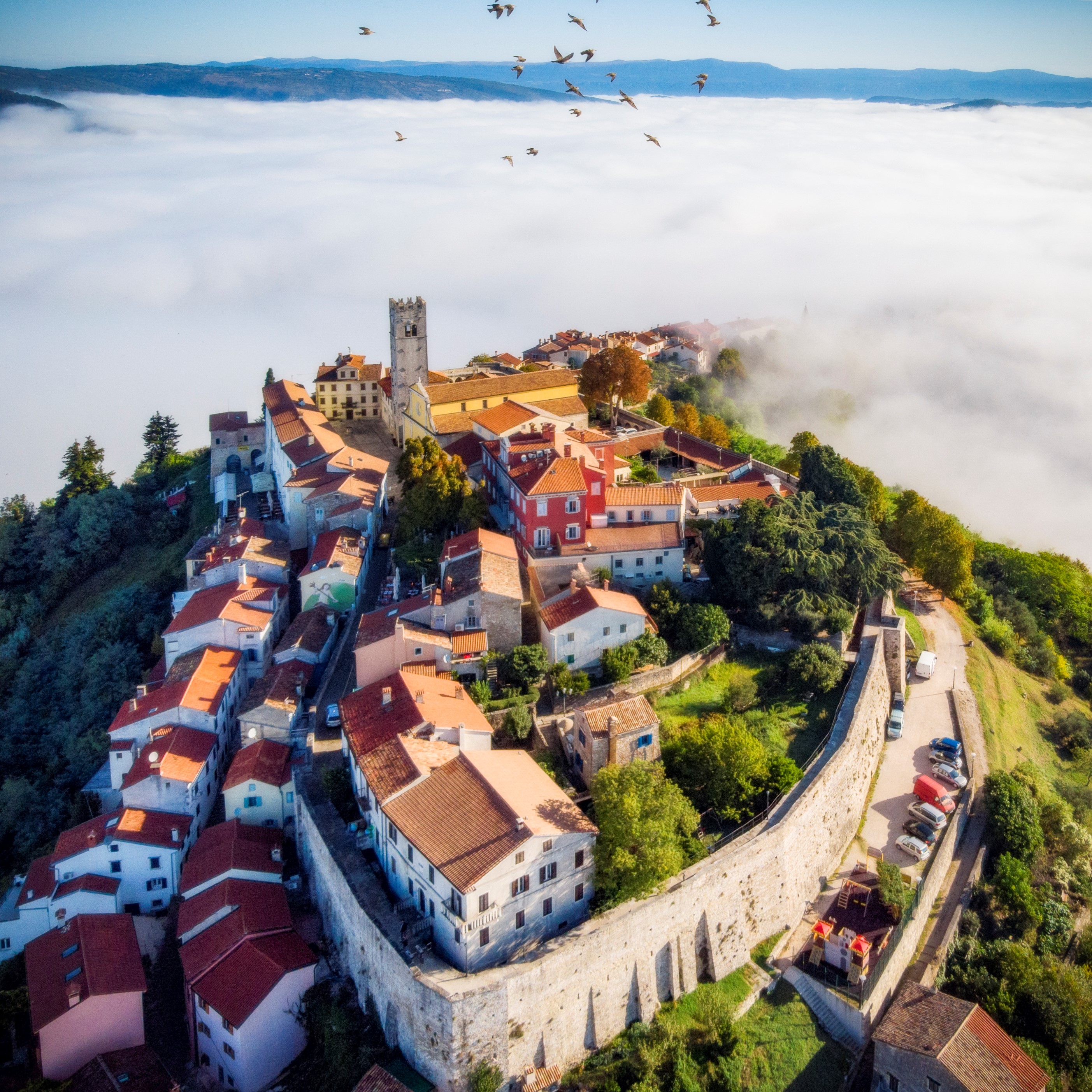
Motovun City Walls
65%
Motovun City Walls are the best-preserved fortification system in Istria, offering a unique promenade with stunning views of the surrounding green landscapes and the Mirna River.
RuralScenicEducational

Hill Šublenta is a 351-meter high site featuring the 17th-century Church of the Nativity of Mary, built upon the remains of a former Benedictine abbey, an Illyrian fortified borough, and an ancient pagan shrine.
Hill Šublenta - on top of Šublenta, a 351-meter high hill, there is the Church of the Nativity of Mary erected in the 17th century on the location of a former Benedictine abbey. In the paleocroatian period, the time of the migration of Croats in the 6th and 7th centuries, this hill hosted their pagan shrine. Before that and after the arrival of the Romans, the site features an Illyric fortified borough of a circular layout and protected by walls.
Motovun City Walls are the best-preserved fortification system in Istria, offering a unique promenade with stunning views of the surrounding green landscapes and the Mirna River.
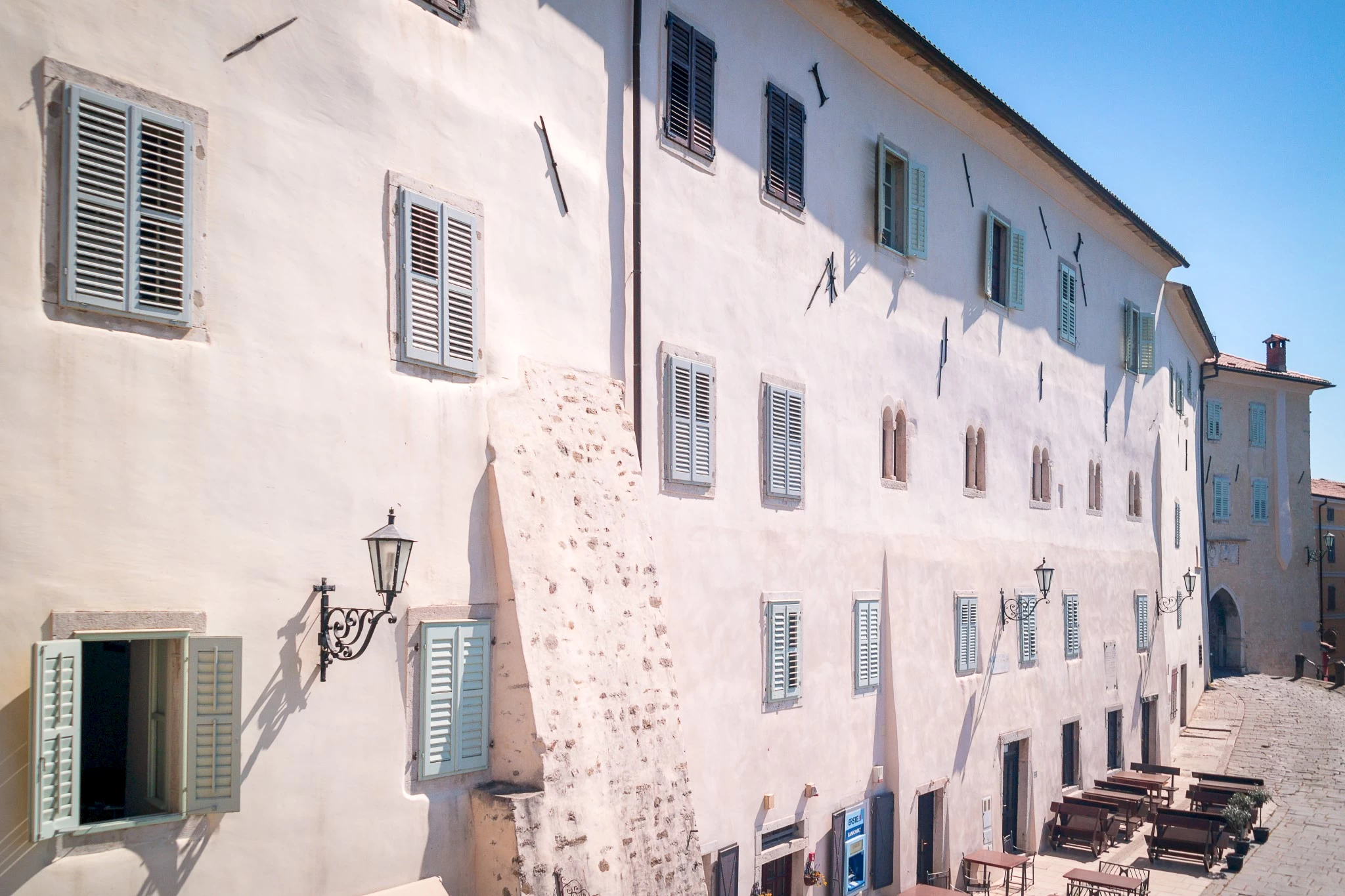
The Municipal Palace in Motovun is the best-preserved Romanesque public building in Istria and Croatia, dating back to 1248 and serving both as a town hall and a defensive structure.
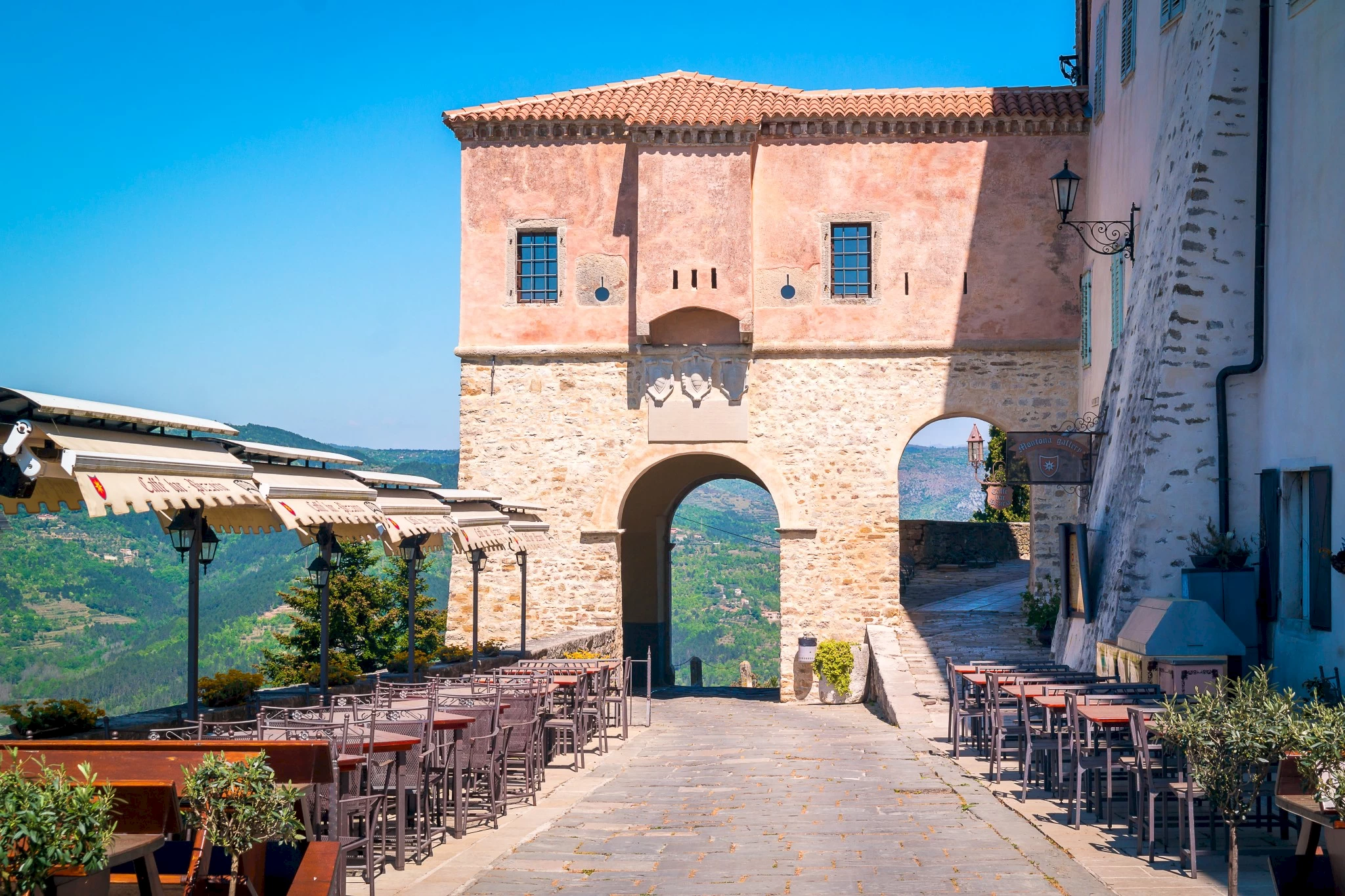
The Tower „New Gate” in Motovun is a 17th-century fortification featuring historical defensive architecture and a lapidary collection of Roman tombstones and coats of arms.
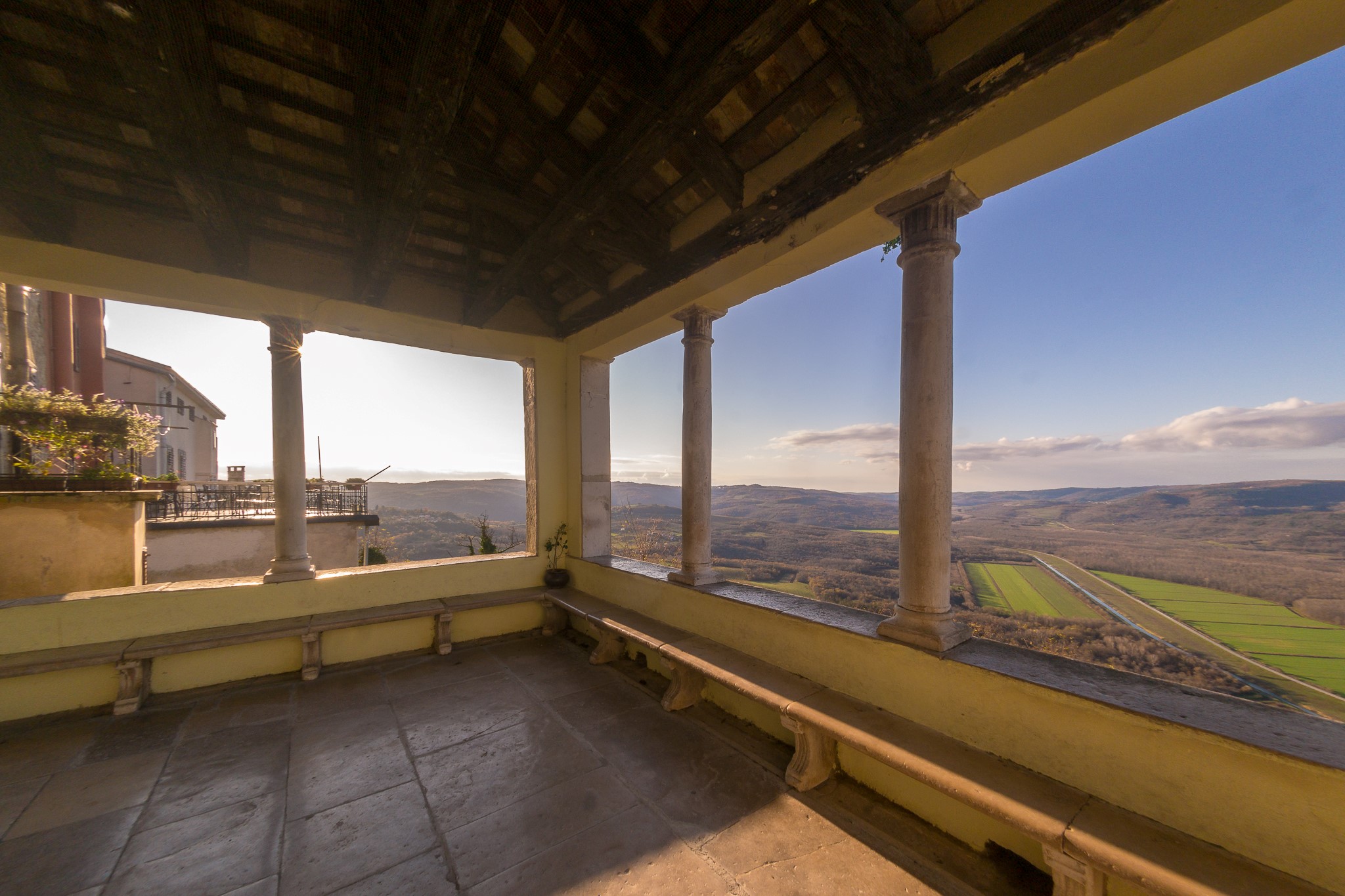
The 17th-century Motovun Loggia is a historic town square landmark that once served as a center for legal and civic life and is now a popular viewpoint overlooking the Mirna river valley.
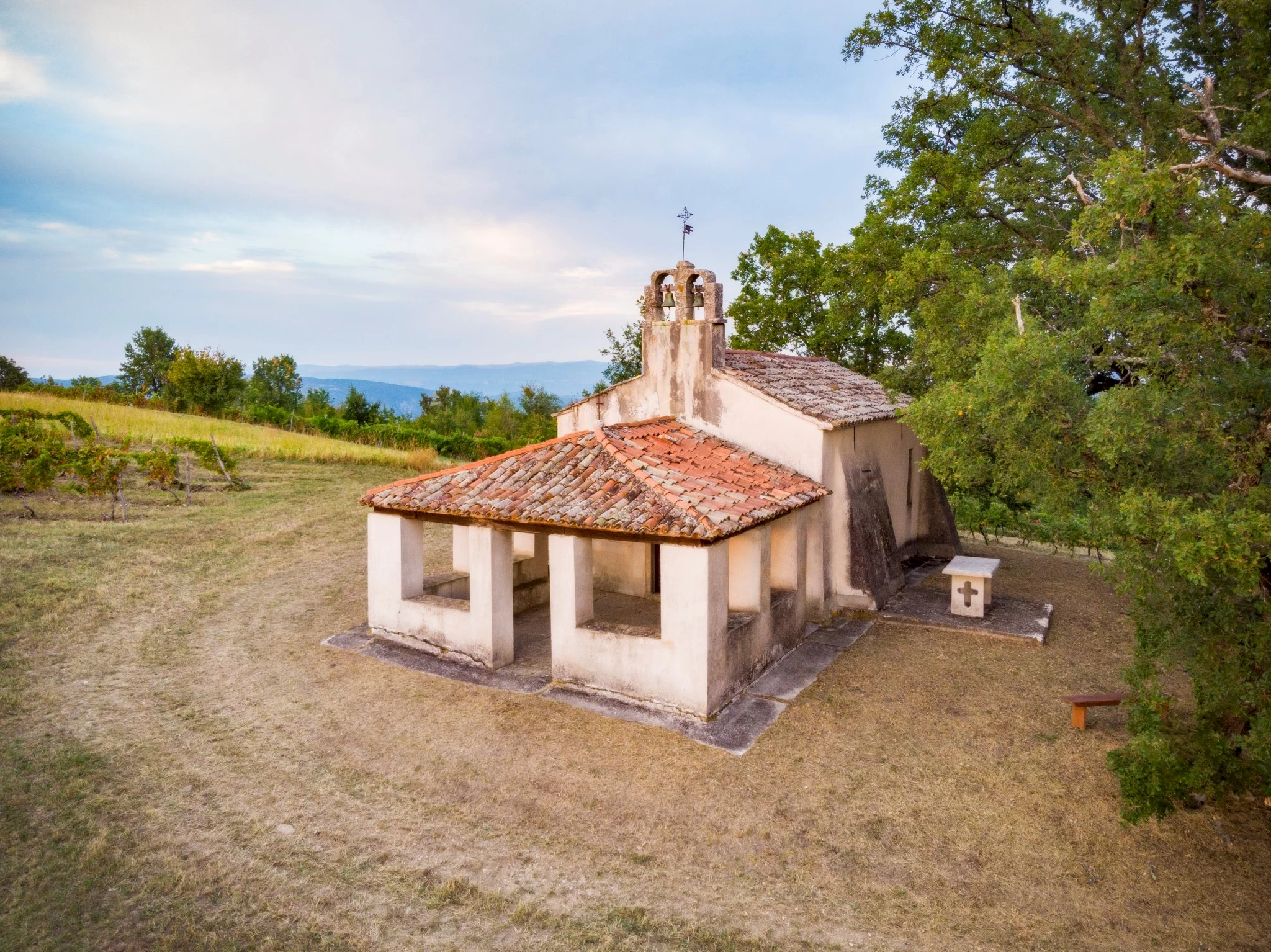
The Church of the Nativity of the Blessed Virgin Mary is a 17th-century church located on the 351-meter high Šublenta hill near Motovun, built on the site of a former Benedictine abbey and an ancient Illyrian fortified borough.
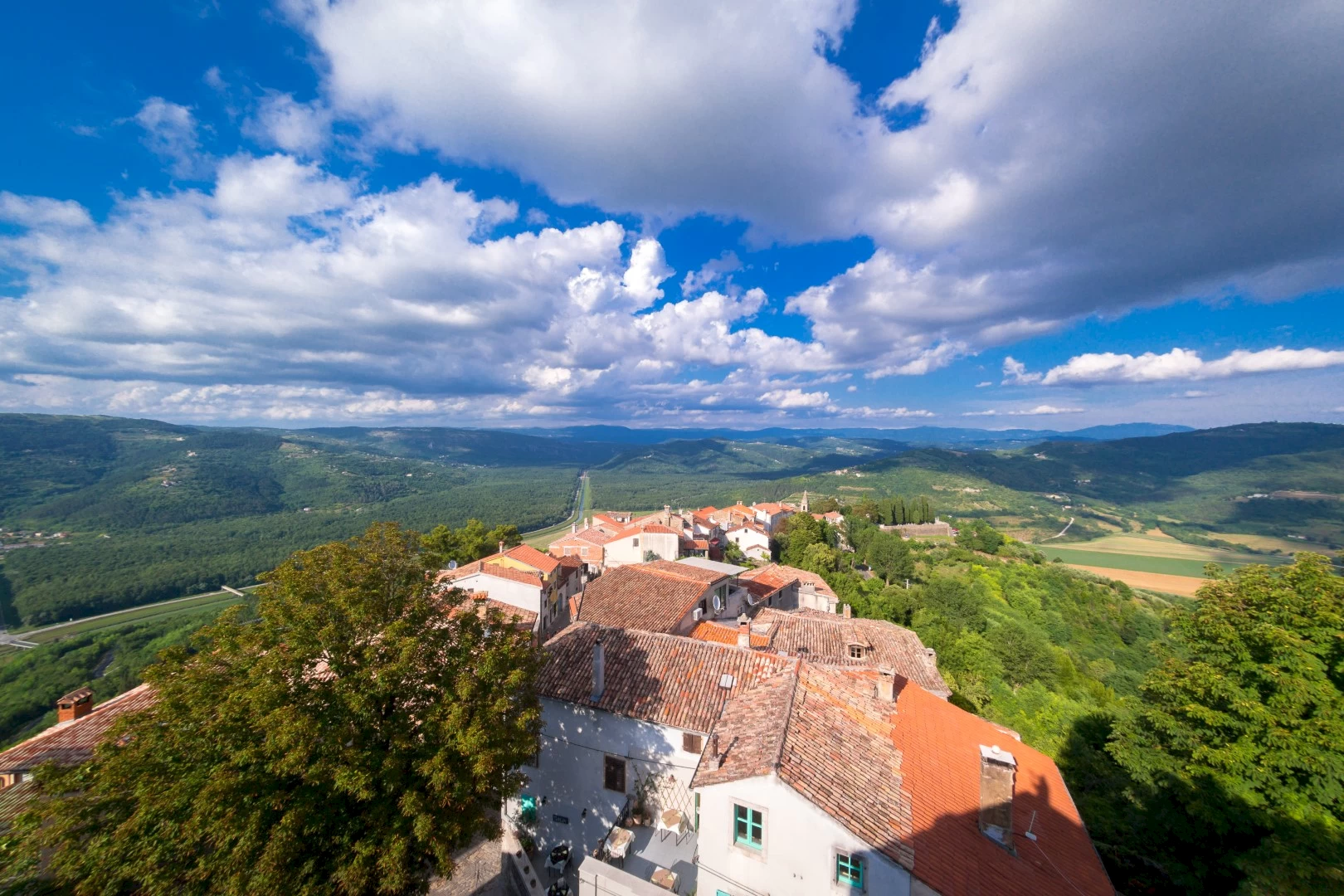
Gradiziol is a historic suburb of Motovun that developed during the 14th and 15th centuries, featuring the church of St. Margaret and 18th-century architecture.