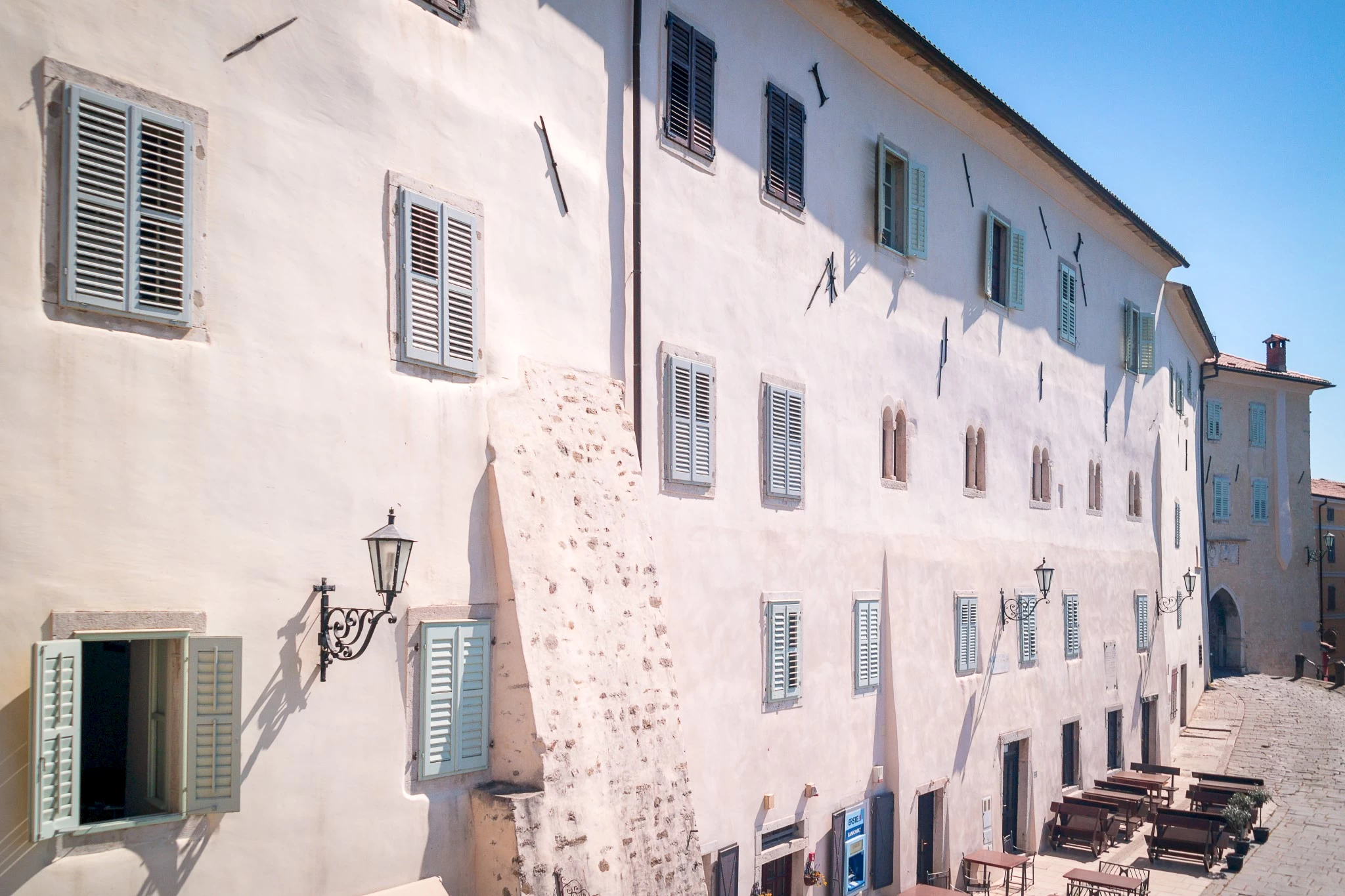
Historic Building
Municipal palace
76%
The Municipal Palace in Motovun is the best-preserved Romanesque public building in Istria and Croatia, dating back to 1248 and serving both as a town hall and a defensive structure.
UrbanRuralEducational

The City Printing House Antico offers unique, hand-printed Motovun souvenirs created on a medieval Gutenberg press replica using artisanal paper.
The City Printing House Antico - offers the creation of unique Motovun souvenirs using traditional hand-printing technique on a replica of the medieval Gutenberg printing press, with the possibility to choose motifs and personal messages to keep forever your memories of a day spent in Motovun. The motifs of graphics and illustrations range from idyllic representations of Motovun to fairy tales and legends of the Istrian region. The paper used to print this unique souvenir is hand-made, where each leaf contains part of the Motovun forest thanks to fallen leaves and fruits collected and processed in the Workshop of Master Janez.
The Municipal Palace in Motovun is the best-preserved Romanesque public building in Istria and Croatia, dating back to 1248 and serving both as a town hall and a defensive structure.
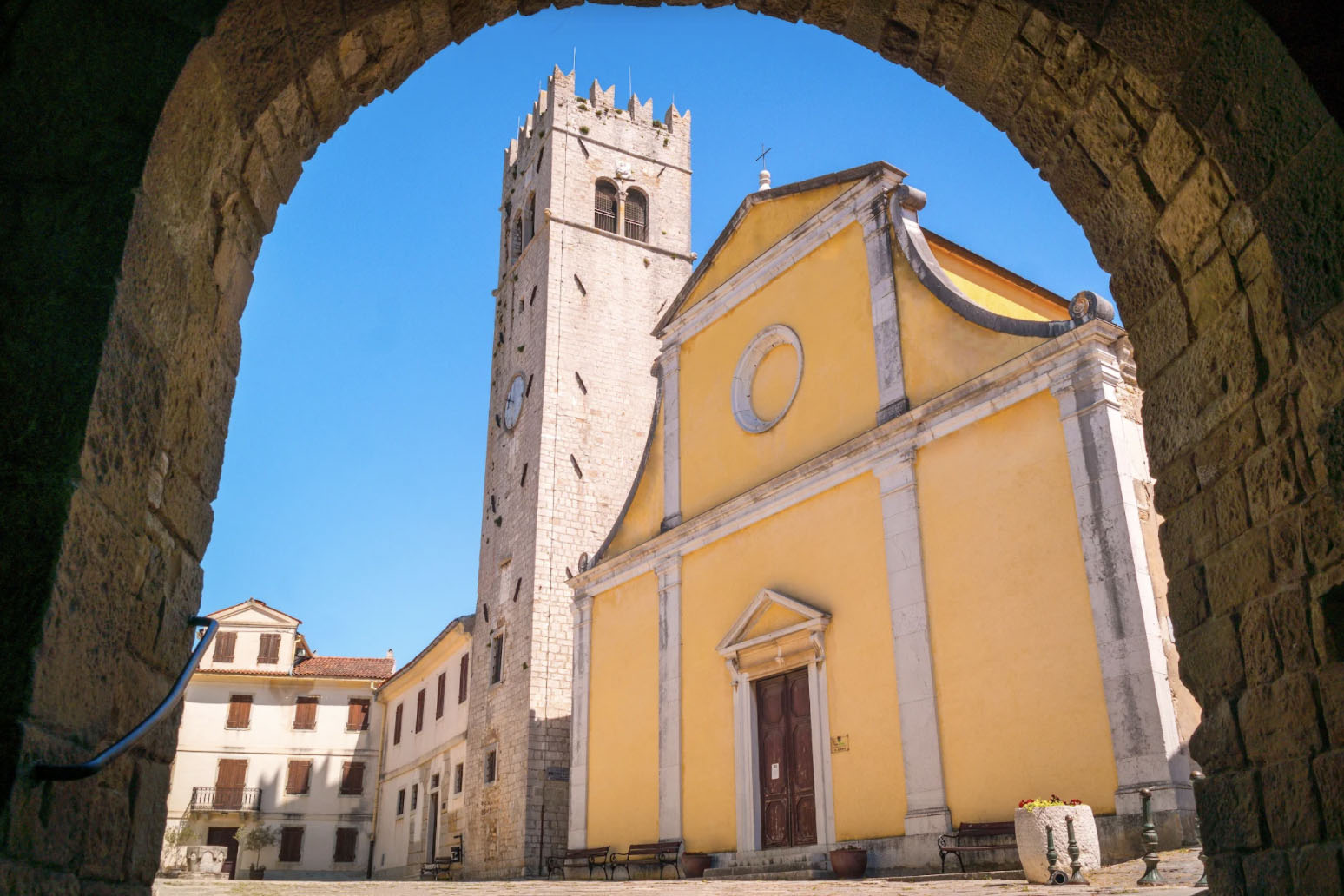
The Parish Church of St. Stephen the First Martyr in Motovun is a historic 16th-century church designed by Andrea Palladio, known for its rich sacral inventory including the Altariolo Colleoni and a relic of the Holy Thorn.
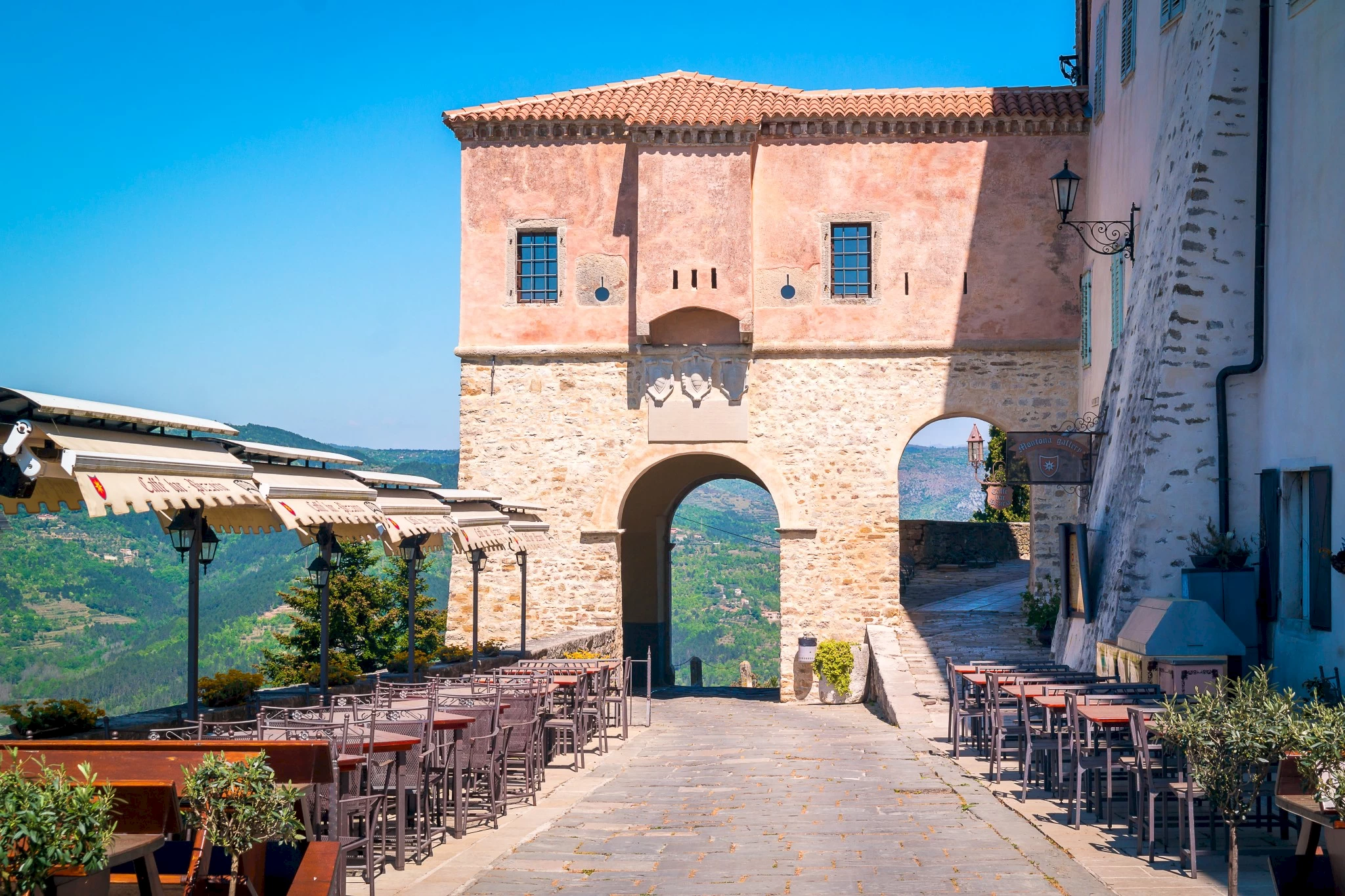
The Tower „New Gate” in Motovun is a 17th-century fortification featuring historical defensive architecture and a lapidary collection of Roman tombstones and coats of arms.
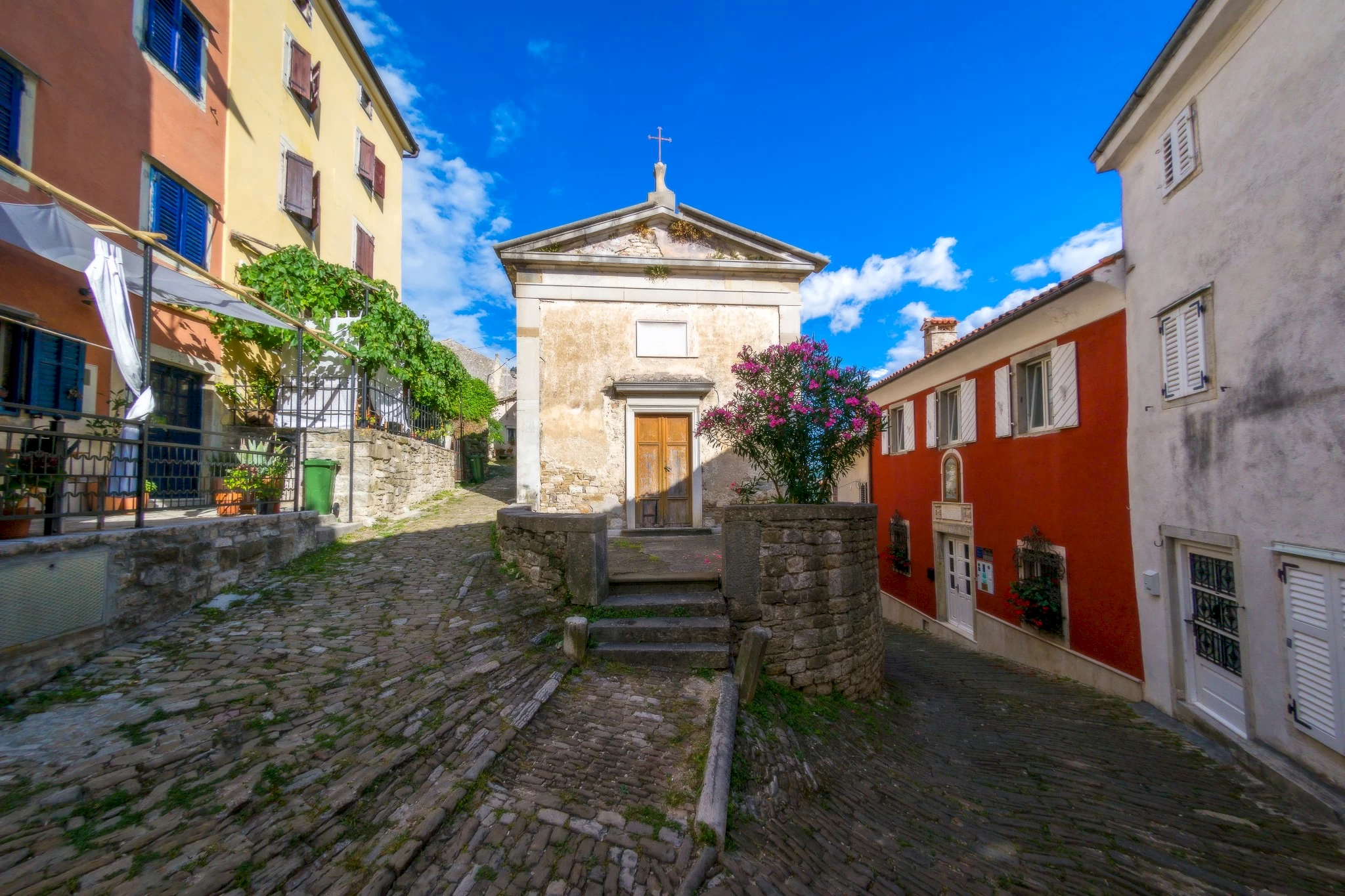
The Church of St. Anthony of Padua and St. Cyprian in Motovun is a 15th-century structure originally dedicated to St. Cyprian, a protector against the plague, and later reconstructed in the 19th century.
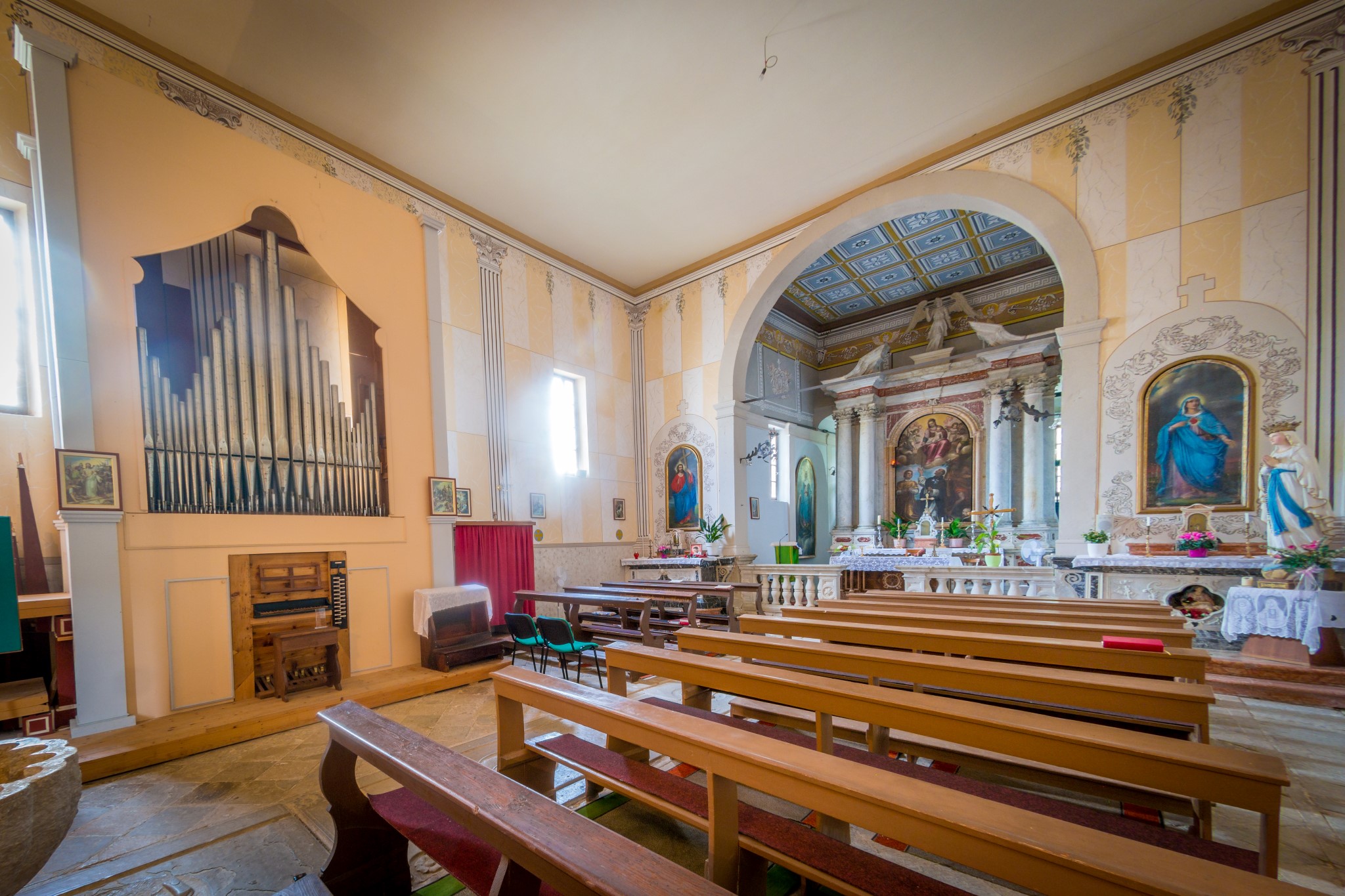
The Church of the Blessed Virgin Mary of Servite in Motovun is a 16th-century church and former monastery site featuring a historic bell tower and 18th-century organ.
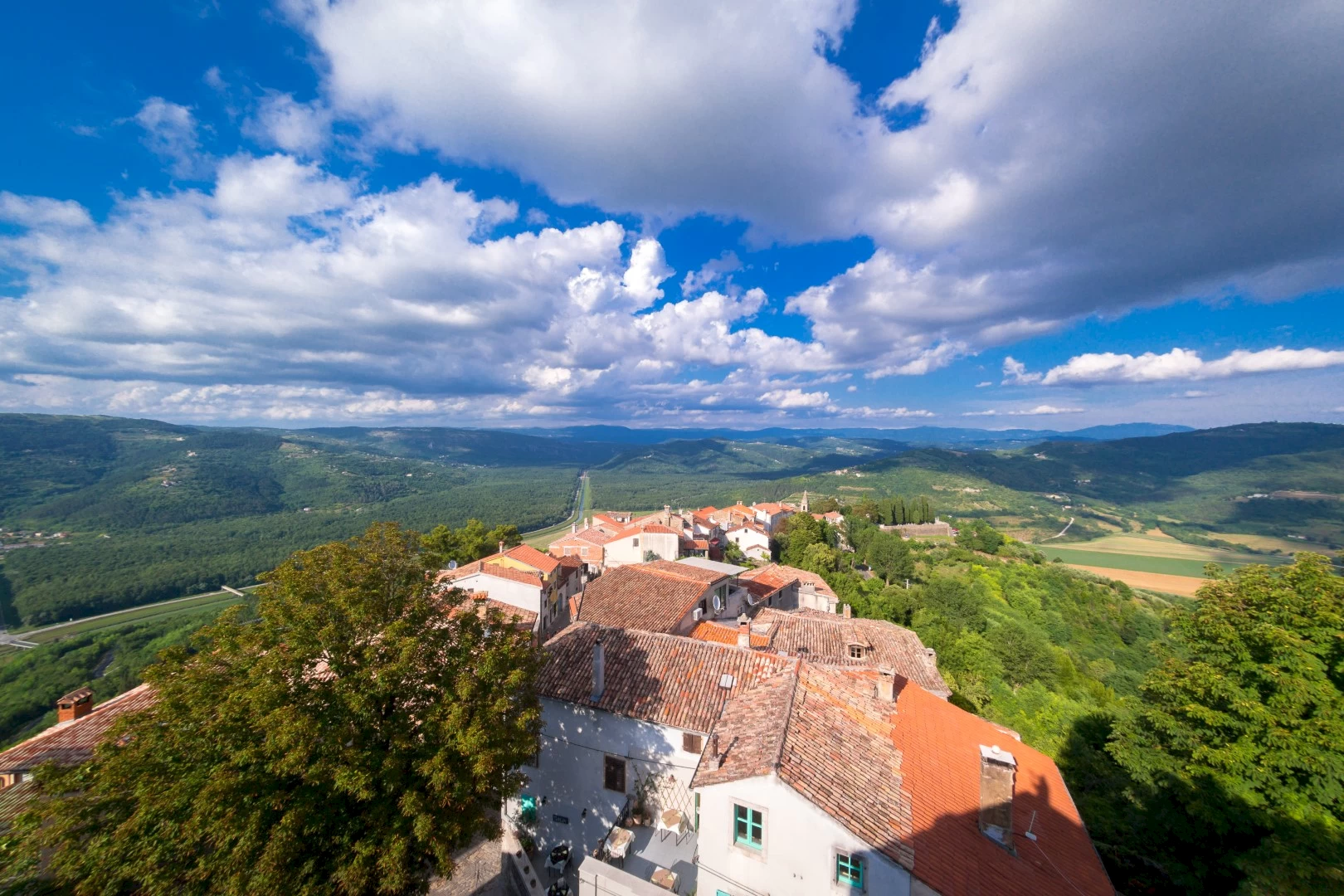
Gradiziol is a historic suburb of Motovun that developed during the 14th and 15th centuries, featuring the church of St. Margaret and 18th-century architecture.